The 765 Line
The 765 Line, explained.
Two multi-billion-dollar, 765,000-volt (765 kV) transmission lines are proposed to cross much of southern Wisconsin. Here’s what they are, whether they’re needed, and what they mean for you.
What it is
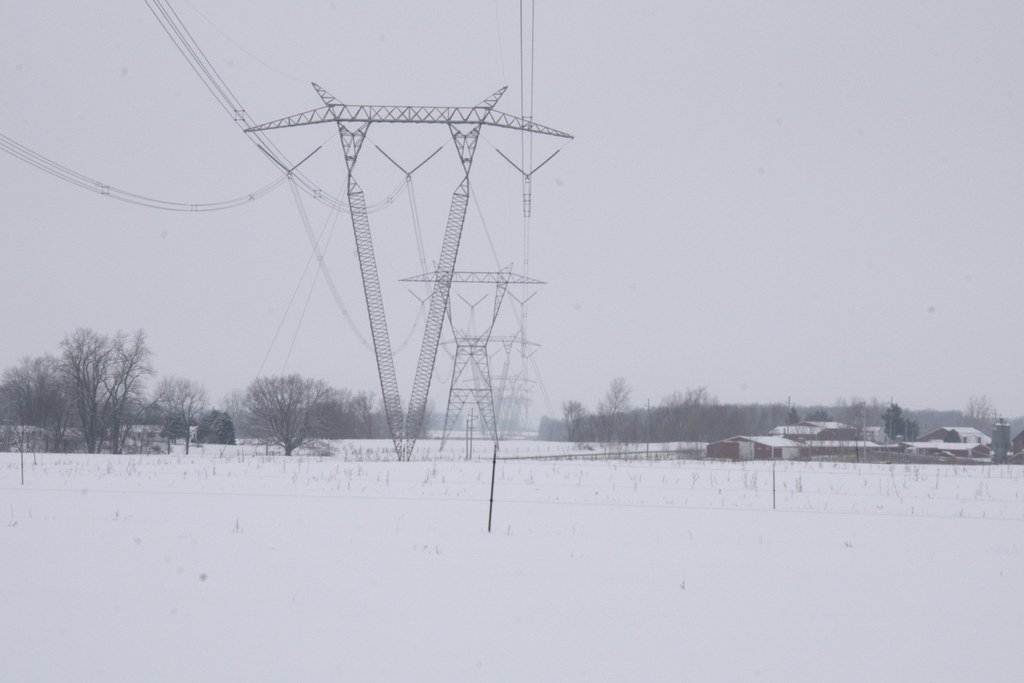
The line is part of a regional plan by MISOThe Midcontinent Independent System Operator — the nonprofit that runs the electric grid and plans large power lines across 15 states, including Wisconsin. It plans which lines get built; state regulators still have to approve them. — its Long-Range Transmission Plan. As proposed, it would run on 150–200-foot steel towers across southern Wisconsin, including the fragile Driftless region. It is a pass-through line: built to move bulk power across the region, not designed to deliver power to our area.
The companies developing it — Dairyland Power Cooperative and four private companies (Transource/AEP, BHE Transmission, GridLiance, and NextEra Energy Transmission) — earn a regulated returnA profit margin, set by federal regulators, on every dollar spent building the line. It’s paid back through electric bills — so the more they build, the more they earn. on building it. The cost is allocated to Wisconsin ratepayersAnyone who pays an electric bill — households, farms, and businesses alike. and others across the MISO Midwest region.
The project is planned through a regional process; the developers are private companies earning a return. Those are two different things, and we keep them separate.
Source · MISO Long-Range Transmission Plan (Tranche 2.1); MariBell and BECI project materialsWhere the line could go.
Corridors from the developers’ own project materials — primary and alternate options, not a final route. No application has been filed yet. Walk the full interactive map →
What it means on the ground
As proposed, the towers stand up to 200 feet tall. The wood-pole lines already crossing these counties run about 70 feet. A mature oak tops out near 65. A 200-foot tower is three of those oaks stacked one on top of another — on the ridgelines, over the fields, for the life of the line. Here’s how that scale compares to what’s already on the land.
Today these counties carry 69 kV and 161 kV lines on wood poles roughly 70 feet tall. As proposed, the project puts 765 kV on steel towers up to 200 feet — alongside or in place of the lines already there.
Source · MariBell and BECI project descriptions (tower height); existing-line heights approximate; reference heights approximate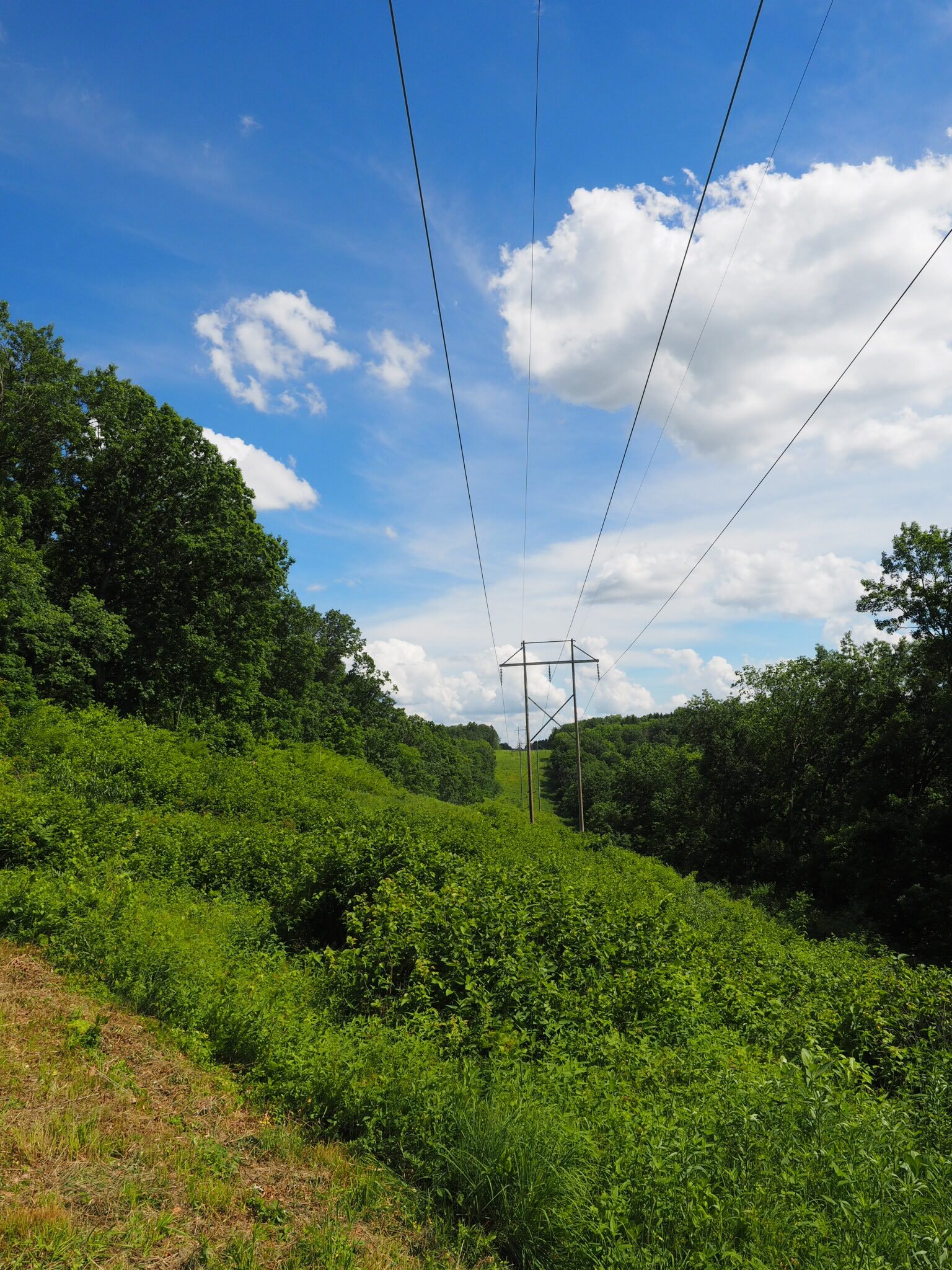
Is it needed?
Wisconsin’s electricity use has been flat to declining for twenty years. Total retail sales were 2.9% lower in 2024 than in 2005.
The corridors are not designed to deliver power to the communities they cross — and the data-center projects driving recent demand forecasts are separate proposals in separate proceedings.
Source · EIA Form EIA-861, 2005–2024Every figure behind this case, with sources — By the numbers →
“But don’t we need to build the grid?”
Many of us who live here support clean energy. We want a modern grid, and we want power delivered to the places that need it. Those goals are real — and this project still fails on its own terms.
Supporting renewable energy does not mean supporting every line drawn on a map. This corridor would cross karst country, where what happens on the surface reaches groundwater fast; cold-water trout streams; working farmland; and ridgelines families have tended for generations. Wisconsin’s own electricity use has been flat to declining for twenty years, and MISO’s independent market monitor estimates the project returns less than 40 cents of benefit for every dollar spent. A grid worth building is one that pencils out and respects the land it crosses.
The question isn’t whether we modernize the grid. It’s whether Wisconsin ratepayers should fund a multi-billion-dollar build the numbers don’t support — so private developers can earn a regulated return on it.
Sources · EIA Form EIA-861 (2005–2024); Dr. David Patton, MISO Independent Market Monitor“Specific routes, structures, siting impacts, or localized effects cannot yet be answered.”— Transource Energy · letter of April 24, 2026