Home
Our loss. Their gain. No need.
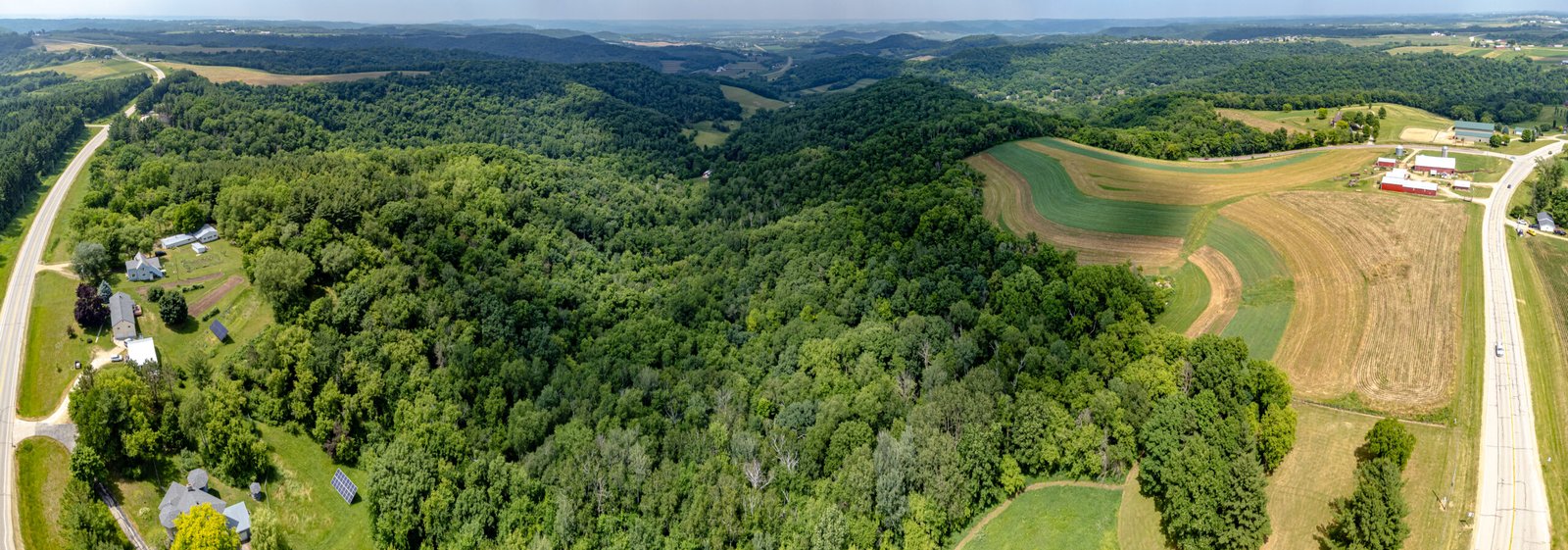
Two multi-billion-dollar, 765,000-volt transmission lines are proposed to cross much of southern Wisconsin. They are designed to move power across the region — not to deliver it to our communities.
Our loss — higher electric bills and permanent damage to an ancient landscape found nowhere else. Their gain — the companies building it are guaranteed a profit on the build, paid through electric bills. No need — Wisconsin uses no more electricity today than it did twenty years ago.
The Wisconsin Public Service Commission — the state board that permits power lines — will decide whether this one is built. What you do now becomes part of the record it decides on.
What’s at stake, who profits, and why the case for building this line doesn’t hold up.
A permanent corridor through working land.
For the families who own land in the corridor’s path, some would sell and move at considerable loss. Many more would live with steel towers 150–200 feet tall — the height of a 15-to-20-story building — plus view-shed disruption, noise, electromagnetic-field concerns, and ecological damage on parcels worked for generations.
The damage reaches past the right-of-way: tourism, property values, trout streams, threatened species, burial mounds.
Private return. Public bill.
The line is part of a regional plan by MISOThe Midcontinent Independent System Operator — the nonprofit that runs the electric grid and plans large power lines across 15 states, including Wisconsin. It plans which lines get built; state regulators still have to approve them.. The developers — Dairyland Power Cooperative and four private companies (Transource/AEP, BHE Transmission, GridLiance, NextEra Energy Transmission) — earn a regulated returnA profit margin, set by federal regulators, on every dollar spent building the line. It’s paid back through electric bills — so the more they build, the more they earn. on a multi-billion-dollar build. Wisconsin ratepayers bear the cost.
Five state utility commissions have already filed a formal complaint at federal regulators challenging the math.
The math doesn’t add up.
Wisconsin electricity use has been flat to declining for twenty years. And MISO’s own independent watchdog estimates that for every dollar ratepayers would spend on this line, it returns less than 40 cents in benefits — the lower energy costs that are supposed to justify it. MISO claims $1.80–$3.50.
The corridors are not designed to deliver power to the communities they cross — and the data-center projects driving recent demand forecasts are separate proposals in separate proceedings.
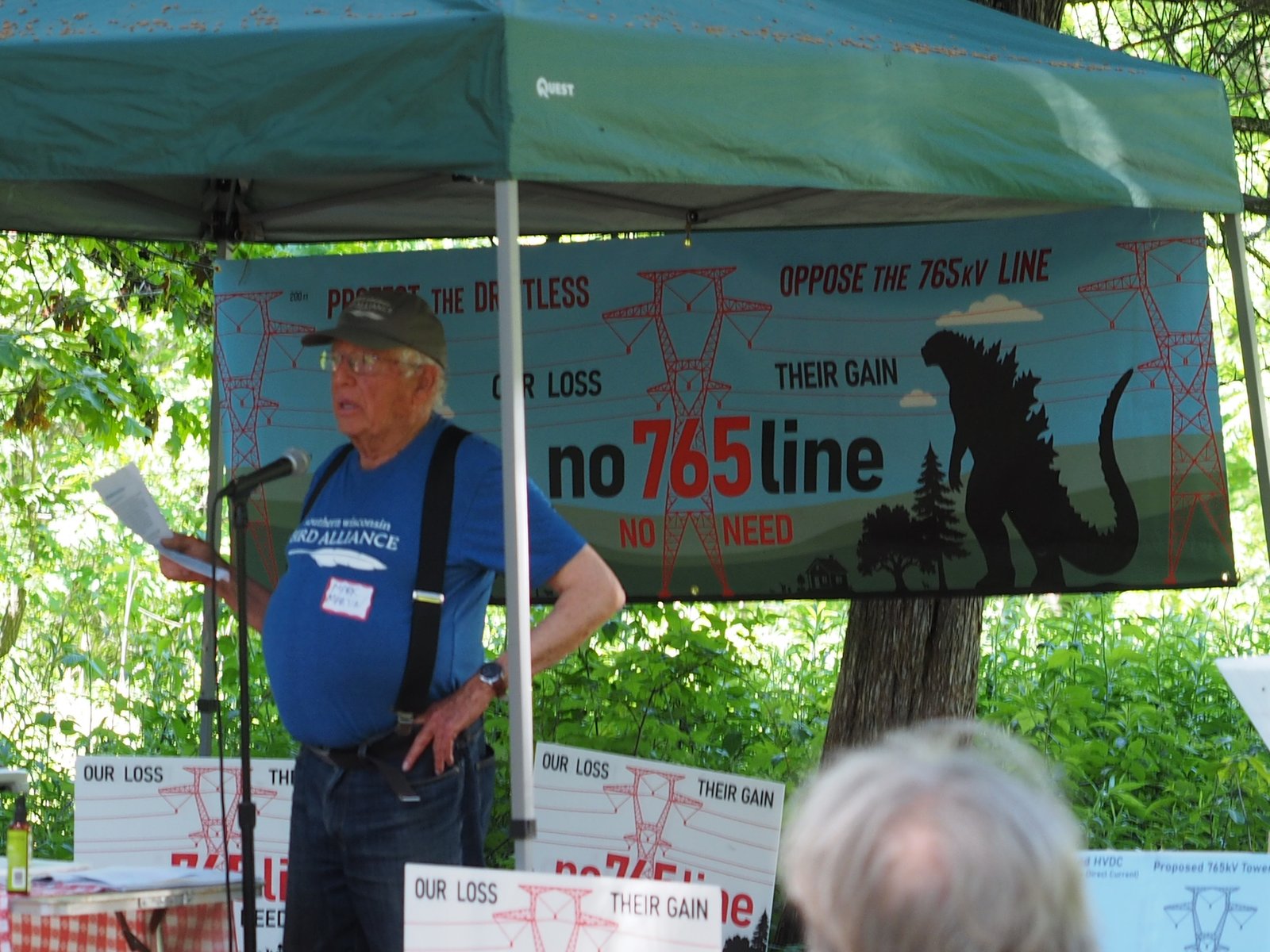
Neighbors across southern Wisconsin are showing up.
Landowners, farmers, anglers, and local officials — turning regional concern into a sourced, coordinated case before the Public Service Commission.
Who we are →A 140-mile corridor through the Driftless.
The corridors shown come from the developers’ own project materials — primary and alternate options, not a final route. No application has been filed with state regulators yet. Pan the map to see what the MariBell corridor crosses: cold-water trout streams and karst bedrock, nearly the whole way.

A 765 kV line doesn’t cross empty ground.
The corridor runs through a Mississippi flyway of 200-plus bird species, cold-water streams, and wildlife the federal government already protects. See what’s here — mapped at a coarse, public scale that keeps sensitive locations safe.
See what’s in the path →“Specific routes, structures, siting impacts, or localized effects cannot yet be answered.”— Transource Energy · letter of April 24, 2026
Stand with families and communities across southern Wisconsin.
A real seat in the proceeding — sourced research, expert analysis, public records — costs money. Your gift funds the work.
Donate →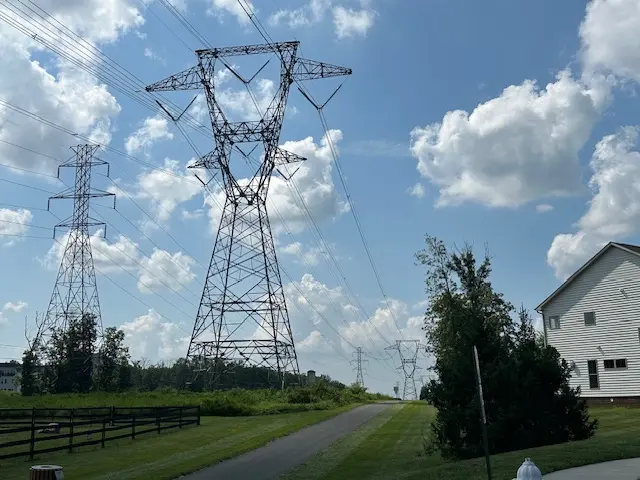
Contacted by an agent or surveyor? Read this first.
Transource has said engagement will happen as the project development advances. In practice that means after the route is essentially set. There are practical things to know — and rights you have — right now.
Landowner guide →From the campaign, and near you.
Sign up for email updates.
PSC milestones, hearing dates, and specific actions — written for normal humans, not lawyers. Choose how much you want: